

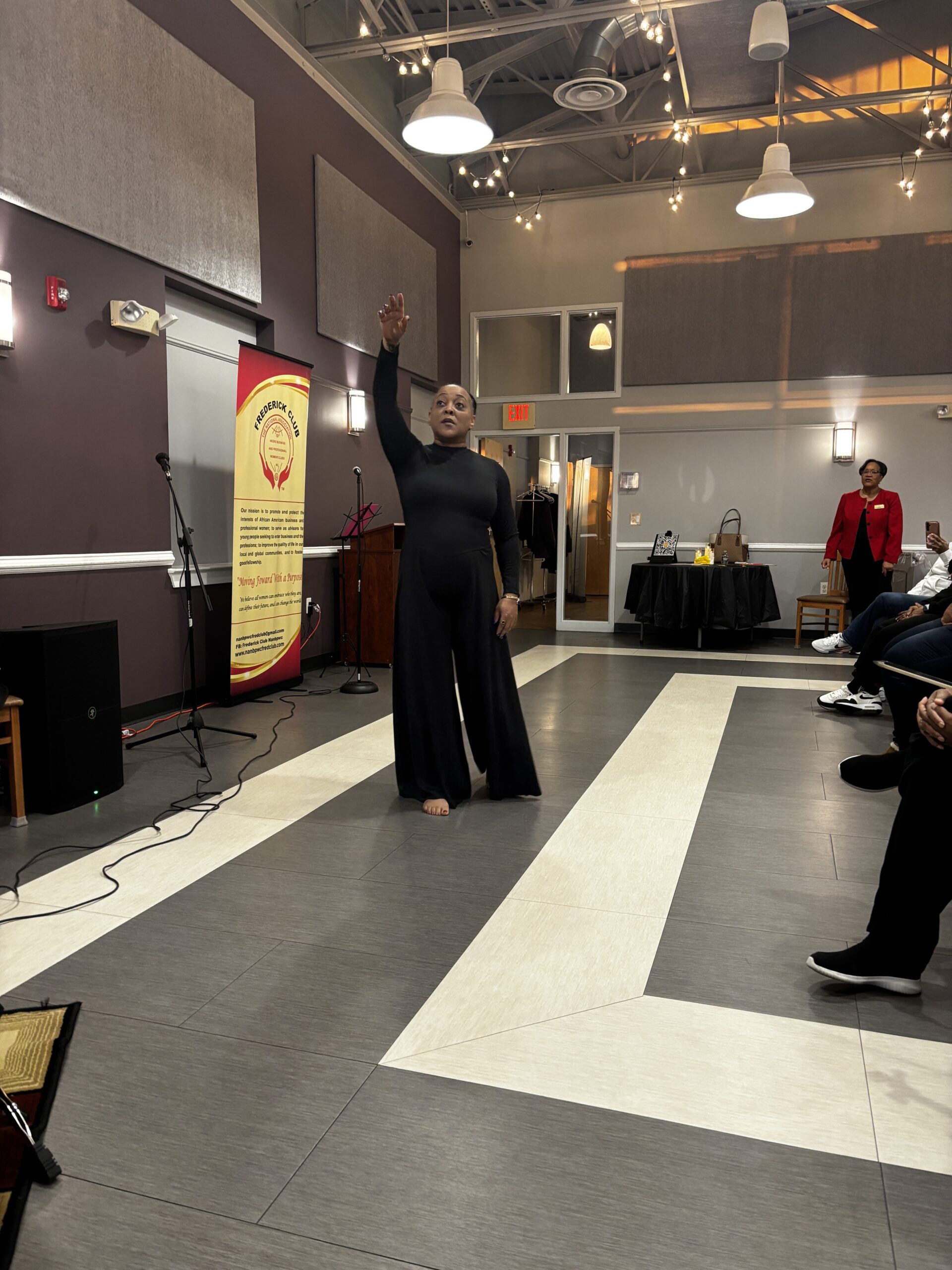

The Frederick Chapter of Negro Business and Professional Women’s Club marked Women’s History Month with an evening of art, storytelling, and cultural expression, bringing together local creatives, community leaders, and residents.
Presented in partnership with the African American Resources Cultural and Heritage Society (AARCH), the program centered on the theme “Art, Poetry & Prose” and offered a multi-disciplinary showcase highlighting the depth of talent within Frederick’s Black creative community while honoring the enduring contributions of women.
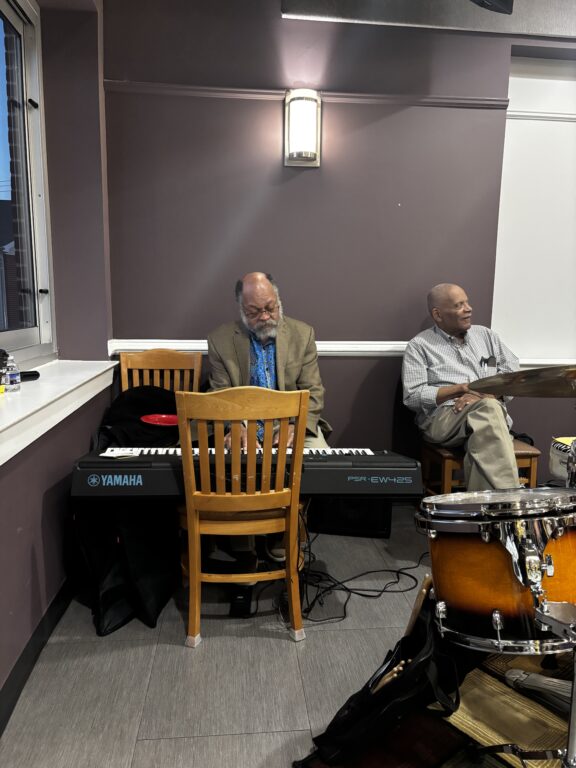
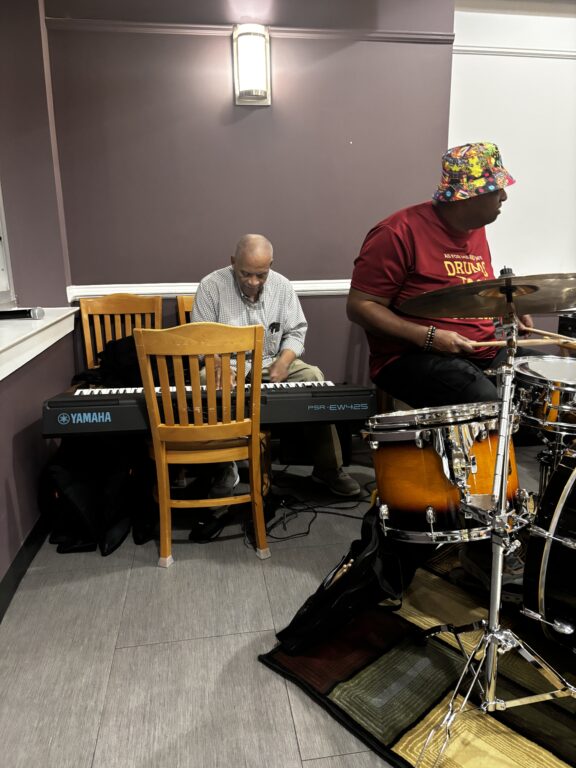
The evening opened with a live jazz reception with local legends John Onley and Patrick Henry, and welcome remarks before the formal program began under the direction of MC Joyce Henry.
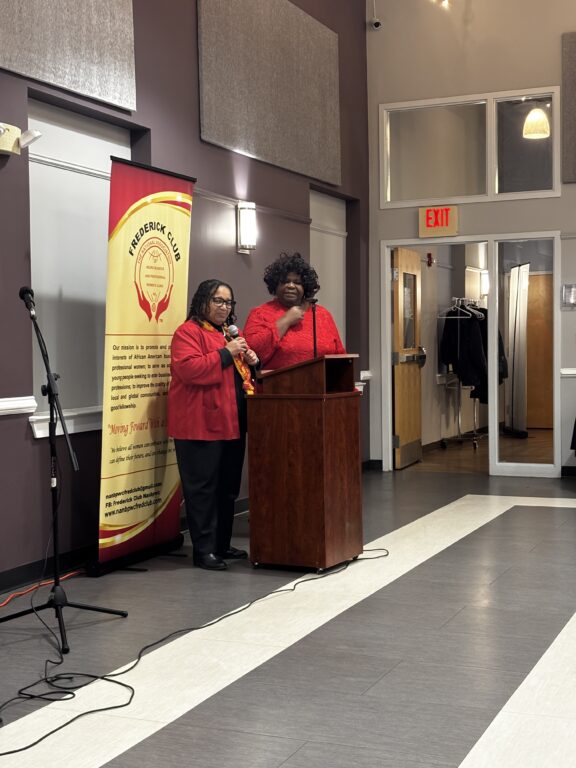
From there, the program transitioned into a curated lineup of artists spanning visual art, spoken word, dance, and music. Featured artists included Diane Mitchell, known locally for her work facilitating creative workshops in Frederick’s arts scene, and Protean Gibril, whose leadership in preserving African American history in Frederick continues to shape community programming and cultural engagement.
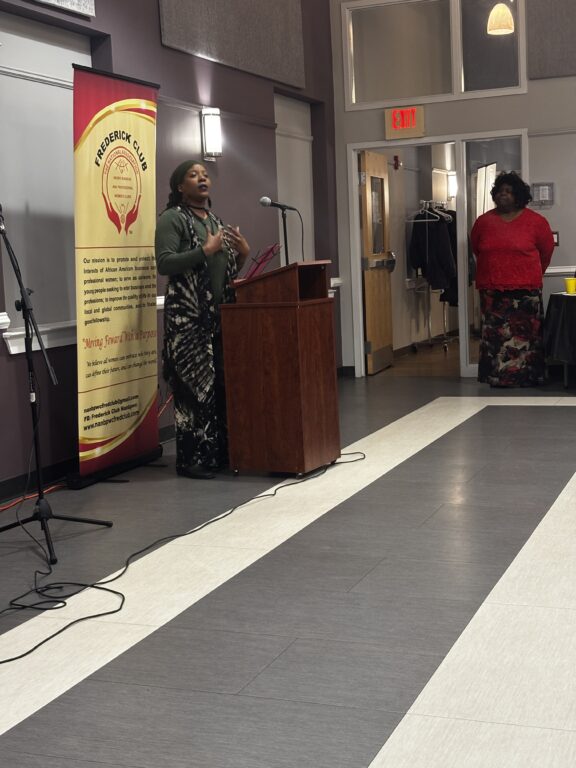
A standout moment of the evening came from poetry performances such as poet Kiki Wilson, founder of the Frederick-based media platform OUT40. Additional poetic contributions from Lanai Monroe further deepening the program’s emotional resonance, weaving together themes of identity, resilience, and heritage.
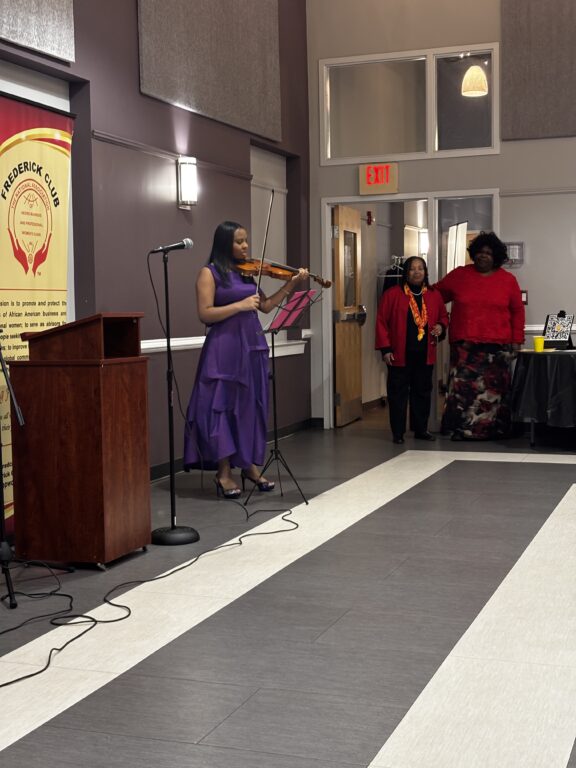
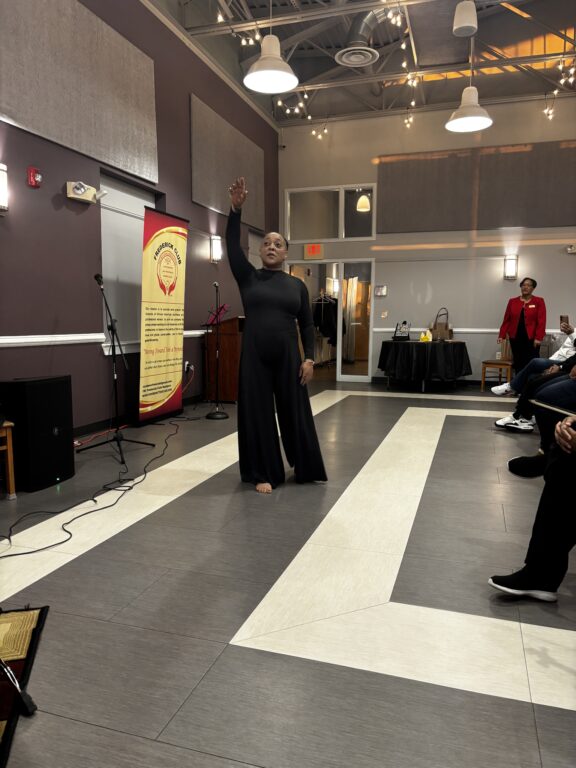
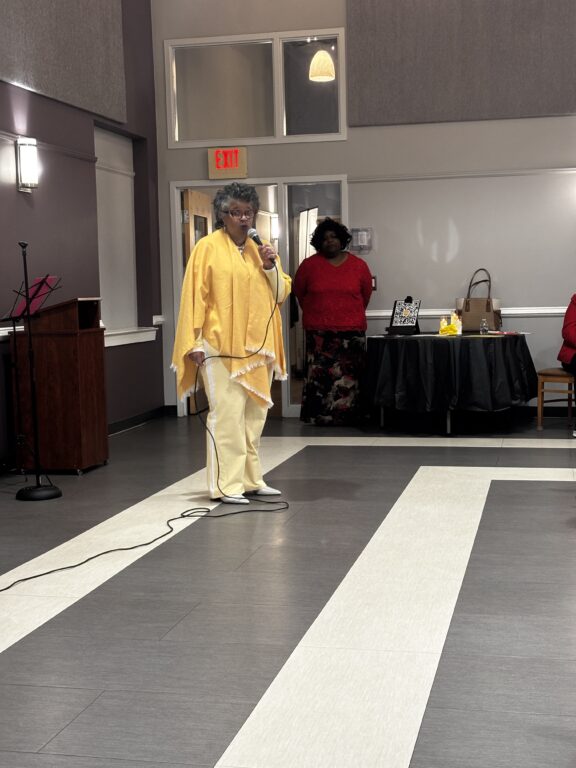
The program also featured a dance performance by Chastidy Brown, followed by a dynamic series of musical acts. Violinist Rhaine Williams and rapper Ahzay brought contemporary energy to the evening, demonstrating the diversity of artistic expression within Frederick’s creative community. These performances were interwoven with interactive elements like a trivia game, encouraging audience participation and reinforcing the educational aspect of the event. The evening concluded with remarks from NANBPWC Frederick Chapter President Gwen Hoy and AARCH board member Tiana Haile, bringing the program full circle. Their closing emphasized the importance of preserving history while continuing to create platforms for emerging voices.
Through poetry, performance, and shared experience, the program underscored a powerful message: that storytelling in all its forms remains one of the most vital tools for community connection and cultural preservation.