

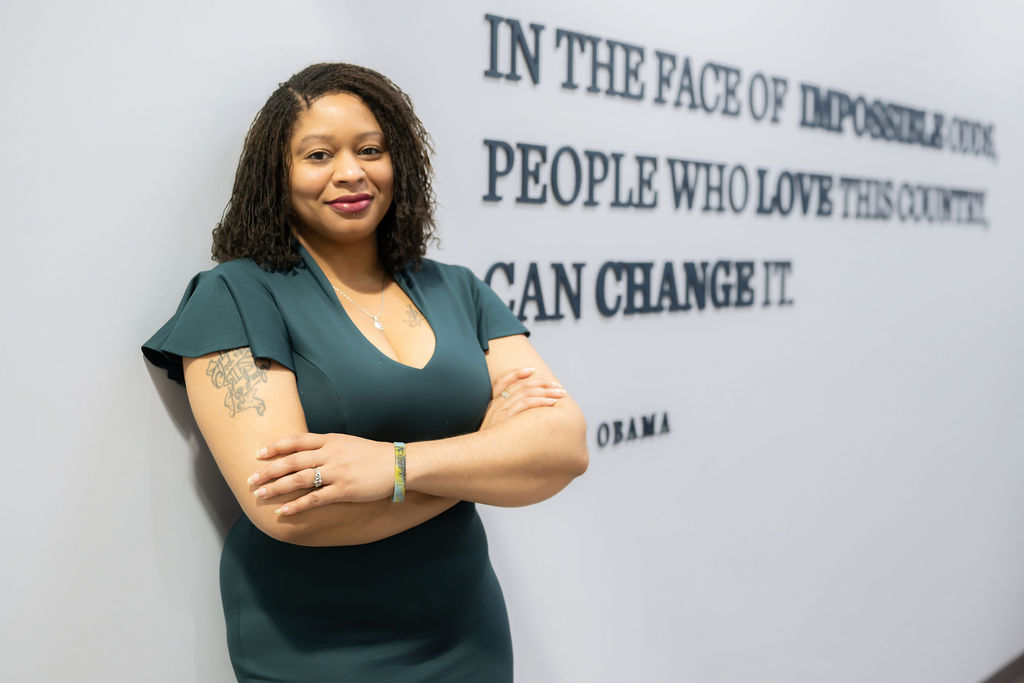

As headlines intensify around escalating conflict with Iran, much of the public conversation centers on military strategy, geopolitics, and national defense. Yet behind every deployment, every service member, and every veteran is an equally urgent reality: the mental and emotional toll of war. For Dr. Arielle Jordan, an Army Reserve veteran and trauma therapist, this work is personal. Her journey into mental health advocacy was not born in a classroom, but through lived experience shaped by military service, devastating loss, and a commitment to helping others heal.
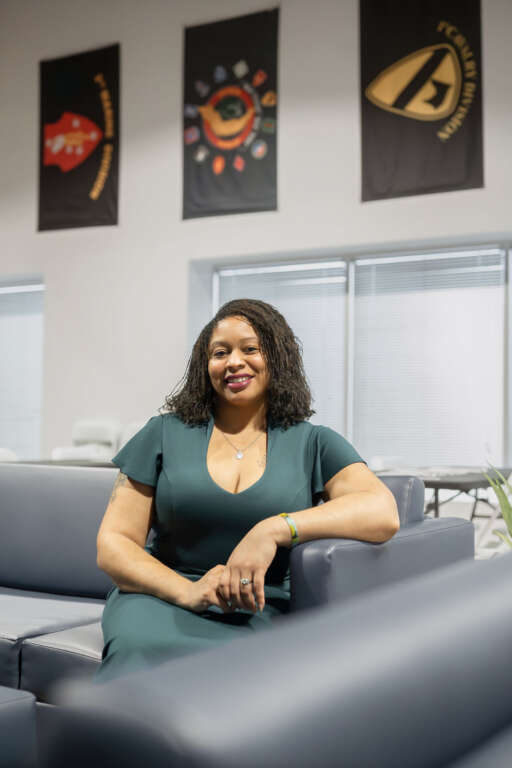
Arielle’s time in the Army Reserve instilled discipline, resilience, and the ability to perform under pressure, qualities familiar to many who serve. But while still in uniform, her life changed forever after the loss of her young daughter, Jordyn, to a rare congenital heart condition known as pulmonary vein stenosis. Less than three months later, Arielle also lost her father. These consecutive tragedies forced her to confront a truth many veterans know intimately: survival skills alone are not enough when trauma overwhelms the nervous system. Through her own grief, Arielle came to understand that while service members are trained to endure extraordinary circumstances, they are often not equipped with the tools to process the psychological aftermath.
“When grief comes that quickly and that deeply, you realize very fast that strength alone is not enough,” Arielle says. “You need tools. You need support.”
Today, Arielle uses that understanding to bridge a critical gap for veterans and military families. Her work focuses on explaining how trauma is stored as memory, and within the nervous system. She helps veterans recognize that hypervigilance, anxiety, emotional numbness, and survival responses are not personal failures, but biological adaptations to overwhelming experiences. As Arielle describes, veterans often tell her, “I know I’m home, but my body still acts like I’m there.” That disconnect between rational thought and the body’s alarm system is where her work becomes transformative. Through trauma-informed therapies such as EMDR, Arielle helps individuals reprocess painful experiences so the brain can recognize them as past events rather than ongoing threats and finally “stand down.” Her role, she says, is not about fixing broken people, but helping resilient individuals better understand how their brains adapted to survive.
“Veterans are some of the most resilient people I know,” she says. “My role is to give them tools.” Her military background allows her to connect authentically with veterans, earning trust through shared cultural understanding and honest conversations. Building trust is a critical part of that process. Military culture often conditions service members to suppress pain and prioritize mission over personal struggle. Arielle’s own service background allows her to meet veterans where they are, with credibility and honesty. “Therapy is not about taking away their strength,” she says. “It is about helping them recover.” She emphasizes this approach allows veterans to reclaim their lives beyond survival mode.
This perspective is especially critical as tensions with Iran raise concerns about current and future deployments, military strain, and the long-term consequences of global conflict. As the possibility of expanded military operations looms amid Iran-related conflict, Arielle believes early intervention is essential. The mental health consequences of war can take years to fully surface, manifesting as hypervigilance, sleep disruption, moral injury, and grief.
“Supporting service members early and consistently is one of the most important ways we can reduce long-term harm,” she stresses.
For communities like Frederick, where military families, veterans, and federal workers are deeply embedded, these issues are not abstract. Rising geopolitical tensions can reignite old trauma, trigger anxiety over deployments, and place renewed stress on families.
“The ripple effects of conflict reach into homes, schools, workplaces, and relationships,” Arielle says.
Still, she remains hopeful. Strong veteran organizations, culturally competent therapists, and supportive local networks can make a powerful difference. “Healing does not happen in isolation,” Arielle emphasizes. “It happens in community.”
At a time when war feels increasingly close for many American families, her work poses a powerful truth: caring for those who serve must include caring for the invisible wounds they carry home. War’s psychological costs often emerge long after the battlefield is left behind, affecting service members and also spouses, children, and entire communities. Arielle’s lived experience, professional expertise, and commitment to veteran healing make her an important advocate in today’s rapidly shifting global climate.
Photography: Marie Rose Photography